
Attitudes toward challenges in emergency remote teaching via Zoom: Insights from teachers and students
DOI:
https://doi.org/10.65956/procia.2026.71Keywords:
emergency remote teaching, ERT, zoom, teachers’ attitudes, students’ attitudesAbstract
The COVID-19 pandemic accelerated the abrupt shift from traditional teaching methods to online teaching via Zoom, leading to the emergence of the concept of Emergency Remote Teaching (ERT). While previous studies have primarily noted operational challenges, few have examined attitudinal responses through robust theoretical frameworks. This study addresses that gap by investigating the attitudes of English teachers and non-English major students at a university in Vietnam, towards the challenges encountered during Zoom-based ERT using a mixed-methods design. A dual-theoretical framework was employed. For teachers, the Technology Acceptance Model (TAM) is used, focusing on perceived usefulness and ease of use. For students whose experiences with Zoom were more shaped by emotional, cognitive, and behavioural responses to ERT, the ABC attitude model was applied. Semi-structured interviews with five teachers were explicitly designed in alignment with TAM constructs and analysed qualitatively through deductive coding. A questionnaire administered to 130 students was analysed quantitatively. The study results showed that teachers were more concerned with pedagogical limitations than with the technical interface, while maintaining a positive attitude based on Zoom’s usefulness. Similarly, students’ emotional attitudes were generally positive or neutral; however, behaviourally, student engagement was low, with many turning off their cameras, avoiding verbal interaction, and multitasking during class. These results suggest that emotional positivity alone does not necessarily lead to effective learning behaviour. By integrating the TAM and ABC models, this study provides deeper insights into attitudinal dynamics, with implications for future teacher training and strategies for engaging students via Zoom during ERT.
INTRODUCTION
From January 2020, the COVID-19 outbreak in Vietnam led to the closure of educational institutions nationwide, requiring an immediate shift from in-person to entirely online teaching (Pollack et al., 2020). This abrupt change gave rise to the concept of emergency remote learning (ERT), a temporary and crisis-driven teaching method distinct from formally designed online learning. National reports indicate that a significant proportion of Vietnamese students were forced to take online courses during the pandemic, despite limited prior experience with only about one-third of them had previously taken online courses before COVID-19 (Nguyen, 2020). This statistic is significant because it shows that most students and many teachers faced not only technical difficulties but also new pedagogical and psychological challenges. In such contexts, how individuals perceive, interpret, and emotionally respond to these challenges becomes crucial, as attitudes can influence technology adoption, instructional effectiveness, and learning behaviours. Therefore, examining attitudes provides deeper explanatory insight than merely listing challenges.
To ensure instructional continuity, synchronized platforms such as Skype, Google Hangouts, and Zoom were widely adopted, as they support real-time interaction through audio, video, and chat features. Among these tools, Zoom has often been regarded as the closest substitute for face-to-face communication due to its interactive functions (Blum, 2020). At the University of Science, Ho Chi Minh City, Zoom was extensively implemented since March 2020. However, this rapid adoption occurred with minimal preparation and training on the part of the university. Although previous studies have documented technical and logistical challenges associated with ERT (Vo, 2022; Ha, 2021), fewer have provided theoretical analyses of how teachers and students interpret these challenges attitudinally, particularly in EFL contexts in developing countries. Moreover, limited research has examined teachers’ and students’ perspectives simultaneously through complementary theoretical frameworks.
To address these gaps, the present study investigates teachers’ and students’ attitudes toward Zoom-based ERT by integrating the Technology Acceptance Model (TAM), which explains teachers’ technology-related evaluations in terms of perceived usefulness and perceived ease of use, and the ABC model of attitude, which captures students’ affective, cognitive, and behavioural responses. By combining these two models, the study offers a theoretically informed and multi-perspective analysis of attitudinal dynamics in ERT, extending beyond descriptive accounts of challenges toward a more explanatory understanding of technology-mediated language education during crisis conditions.
LITERATURE REVIEW
Conceptualizing Emergency Remote Teaching
E-learning serves as the broader umbrella concept referring to instruction delivered through electronic and internet-based technologies (Welsh et al., 2003). Within this broad category, various instructional formats exist, including fully online learning, blended learning, synchronous virtual classrooms, and asynchronous digital instruction. However, the instructional shift by the COVID-19 pandemic differs fundamentally from conventional online education. Rather than a carefully designed pedagogical model, it was a rapid response to an emergency. Hodges et al. (2020) conceptualize this phenomenon as Emergency Remote Teaching which is “a temporary shift of instructional delivery to an alternate delivery mode due to crisis circumstances. It involves the use of fully remote teaching solutions for instruction or education that would otherwise be delivered face-to-face or as blended or hybrid courses and that will return to that format once the crisis or emergency has abated”. This distinction is theoretically important because, unlike traditional online learning, ERT occurs under limited preparation time, minimal training, and unstable conditions.
In the context of Vietnamese higher education, the implementation of ERT took place under tight time constraints and limited preparation from educational institutions. As Le and Truong (2021) pointed out, unclear pedagogical guidelines, increased workload, and insufficient technological preparation made the transition pedagogically fragile. Therefore, the difference between planned online learning and crisis-induced ERT helps explain why attitudinal responses may vary. Teachers’ perceptions of usefulness and ease of use, as well as students’ affective reactions, cognitive evaluations, and engagement behaviours, are likely shaped by the instability and uncertainty of the context.
This conceptual distinction provides the foundation for integrating the Technology Acceptance Model to examine teachers’ evaluations of Zoom’s usefulness and ease of use, and the ABC model of attitude to analyse students’ affective, cognitive, and behavioural responses. By situating attitudes within the specific conditions of ERT, the study offers a more context-sensitive and theoretically grounded analysis.
The Role of Zoom in Emergency Remote Teaching
During periods of ERT, synchronous platforms play a central role in maintaining instructional continuity. Among these tools, Zoom has been widely adopted because it integrates audiovisual communication, screen sharing, breakout rooms, and other interactive features. Sayem et al. (2017) found that Zoom can replicate certain aspects of face-to-face interaction and support engagement in language learning contexts. Features such as real-time feedback, collaborative whiteboards, and peer interaction have been associated with increased participation and reduced language anxiety (Chen & Lee, 2011; Rahayu, 2020). In addition, Lowenthal et al. (2020) opined that synchronous video communication may lessen feelings of isolation and foster a sense of classroom community.
However, research conducted during the COVID-19 pandemic presents a more complex picture. A scoping review of student engagement during ERT reports considerable variation across contexts, emphasizing infrastructural constraints and pedagogical readiness as key influencing factors (Yang, 2020). Studies focusing on synchronous platforms indicate that although students appreciate accessibility and interaction opportunities, they also experience concentration difficulties, reduced spontaneous communication, and weaker peer interaction compared to in-person classes (Serhan, 2020; Dacillo et al., 2022). Furthermore, research on “Zoom fatigue” of Bailenson (2021) suggested that prolonged video-based interaction may lead to cognitive overload due to sustained eye contact, self-monitoring, and multitasking demands.
Importantly, many reported benefits of Zoom come from contexts where online learning was intentionally designed and supported by adequate training and stable infrastructure. In contrast, ERT was implemented under crisis conditions marked by limited preparation time and pedagogical improvisation. Therefore, the effectiveness of Zoom during ERT should not be evaluated solely based on its technical features, but also through users’ perceptions shaped by uncertainty and constraint.
To account for this complexity, the present study adopts a dual theoretical framework that integrates the TAM and the ABC model of attitude. This approach allows for the examination of teachers’ evaluations of technological usefulness and ease of use, while also capturing students’ affective, cognitive, and behavioural responses. Together, these frameworks provide a multidimensional and context-sensitive analysis of attitudinal dynamics in crisis-driven language instruction.
Attitude Models
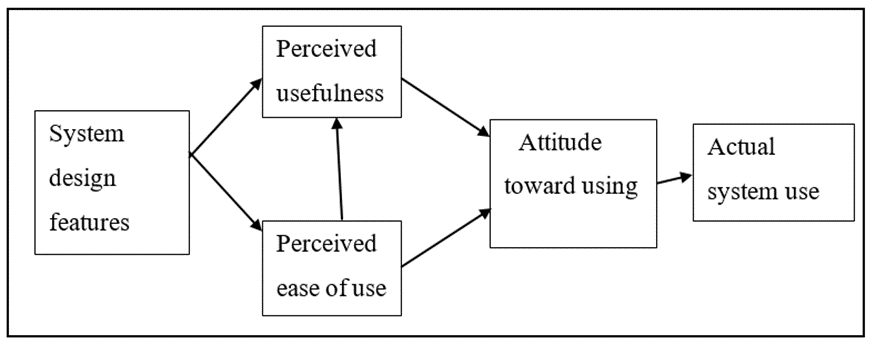
This study adopts two different models of attitude to reflect the distinct roles, responsibilities, and experiences of teachers and students in the context of emergency remote English instruction via Zoom. The Technology Acceptance Model (TAM) (Venkatesh & Davis, 1996) assesses teachers’ attitudes based on perceived usefulness (PU) and perceived ease of use (PEU) of Zoom. The ABC model (Eagly & Chaiken, 1993) evaluates students’ attitudes through affective, behavioural, and cognitive components. These models provide a comprehensive lens to understand the attitudinal dynamics of ERT.
Teachers and the technology acceptance model (TAM)
Teachers are positioned as active users and decision-makers in the teaching process. They are responsible for selecting instructional tools and platforms (e.g., Zoom), designing and delivering lessons, managing classroom dynamics, and assessing student performance. Therefore, their attitude is best analysed using the Technology Acceptance Model (TAM) (Venkatesh & Davis, 1996), which has two core constructs. First, perceived usefulness (PU) is the degree to which a teacher believes that using Zoom enhances their teaching performance. Second, perceived ease of use (PEU) is the degree to which a teacher believes that using Zoom is free of effort.
Students and the ABC model of attitude
To examine students’ responses to Zoom during ERT, the present study adopts the ABC model of attitude (Eagly & Chaiken, 1993), which conceptualizes attitude as a multidimensional construct comprising affective, cognitive, and behavioural components. That is mainly because students are recipients of the teaching process. They do not choose the platform, nor do they control how it is used. Their experience of Zoom is cantered more on how they feel about online learning (affective), what they think about its usefulness (cognitive), and how they behave in Zoom-based classes (behavioural). For this reason, the ABC model of attitude is particularly suitable for analysing students’ responses.
The affective component refers to students’ emotional reactions toward learning through Zoom. In educational contexts, emotions such as enjoyment, anxiety, frustration, or motivation significantly shape learning experiences (Feng & Chen, 2009). In ERT settings, the abrupt transition, physical separation from peers, and technological interference may intensify these emotional responses. Therefore, examining affective responses is essential to understanding students’ overall adaptation to online instruction.
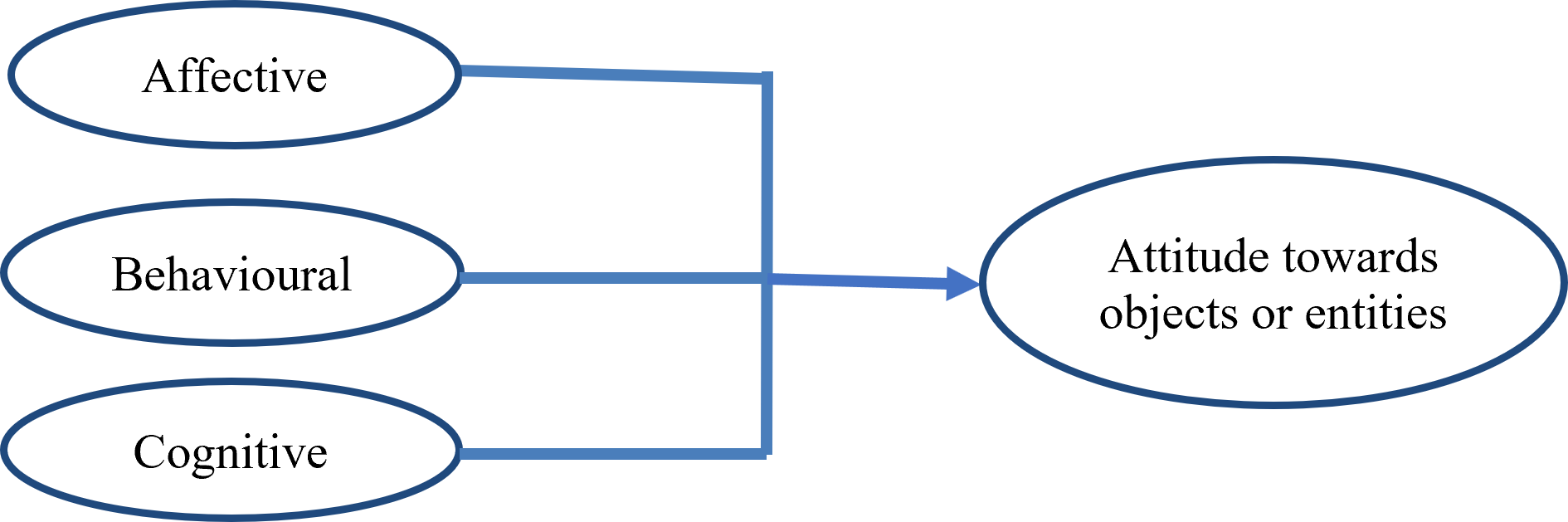
The behavioural component reflects students’ overt actions and responses regarding an attitude object, such as participation in discussions, classroom feedback, and self-directed learning activities (Ajzen, 2005). In online environments, behavioural engagement becomes a critical indicator of teaching effectiveness, as active participation cannot be assumed.
Last but not least, the cognitive component concerns students’ beliefs and evaluations about the effectiveness of Zoom for language learning. In EFL contexts, this includes perceptions of instructional clarity, opportunities for interaction, skill development, and overall learning value (Wenden, 1991). In other words, cognitive judgments influence whether students view the platform as supportive or limiting in achieving their learning goals.
By integrating these three dimensions, the ABC model enables a comprehensive examination of students’ attitudes toward Zoom-mediated ERT, highlighting not only what students think, but also how they feel and how they act within this emergency learning context.
Roles of attitude in language teaching and learning
In general, attitude has long been recognized as a central factor in EFL/ESL research (Gardner, 1960; Dörnyei, 2005). In contemporary research, attitude remains a key predictor of motivation, engagement, and learning outcomes, particularly in digitally mediated environments. Hampel and Stickler (2021) indicated that learner attitudes significantly predict engagement, persistence, and achievement in online and blended language learning contexts. Similarly, Chong and Reinders (2020) stated that teachers’ attitudes toward digital tools strongly influence adoption decisions, instructional design, and classroom implementation. Beyond technical competence, perceptions of pedagogical usefulness and usability shape the depth and effectiveness of technology integration.
In an ERT environment, this role becomes even more critical. Unlike planned online instruction, ERT involves rapid and compulsory digital migration. Research during COVID-19 indicates that teachers’ perceived usefulness and perceived ease of use significantly predict their acceptance, adaptation strategies, and instructional resilience in synchronous platforms such as Zoom (Almahasees et al., 2021; Cranfield et al., 2021; Hodges et al., 2020). Accordingly, the TAM provides an appropriate theoretical lens for explaining how teachers’ evaluative beliefs influence technology adoption and instructional practice in crisis contexts.
Learner attitudes are equally influential. Hollister et al. (2022) demonstrated that students’ attitudes toward digital platforms predict motivation, engagement, and perceived learning effectiveness. However, Selwyn (2022) also revealed that students may value accessibility while experiencing cognitive overload and reduced spontaneous interaction during ERT. These findings underscore the multidimensional nature of attitude. Therefore, the ABC model (Eagly & Chaiken, 1993) is theoretically appropriate for considering learner responses in ERT.
Overall, attitudes play a crucial role in shaping both teaching methods and learning behaviours, particularly in the context of technology-assisted programs such as using Zoom during ERT. Teacher perceptions influence how technology is applied in teaching, while students’ affective, cognitive, and behavioural responses determine the quality of their engagement and learning outcomes. To explain these interconnected yet distinct processes, the current study utilizes the Technology Acceptance Model (TAM) to explain teachers’ evaluations of technology and the ABC model to consider the multidimensional nature of student attitudes. The integration of these two theoretical frameworks allows for a comprehensive understanding of how attitudes shape teaching effectiveness and learner engagement in learning English during ERT via Zoom.
Research Questions
By integrating TAM for teachers and the ABC model for students, the study offers a coherent framework for explaining how attitudes shape instructional effectiveness and learner engagement in Zoom-based ERT. This paper will be guided by two research questions:
- What are the attitudes of teachers at University of Science towards challenges in teaching English through Zoom during the ERT?
- What are the attitudes of students at University of Science towards challenges in learning English through Zoom during the ERT?
Methods
Pedagogical setting and participants
The study was conducted during the second semester of the 2020–2021 academic year at the University of Science. During this period, approximately 2,500 students enrolled in General English courses. A total of 130 second-year non-English major students participated in the survey phase using questionnaires. Participants were selected through a convenience sampling method from General English 4 classes, as these classes were taught entirely via Zoom during ERT. Participation was voluntary, and informed consent was obtained prior to data collection. All participating students were enrolled in General English 4, corresponding to level B2 of the Common European Framework of Reference (CEFR), as determined by the university’s placement process managed by the Foreign Language Center. Students were between 19 and 22 years old and came from diverse academic backgrounds. Most had experience attending online classes via Zoom in the previous semester; however, none had received formal training on effective online learning strategies.
Regarding teachers, at the time of the study, there were 12 instructors teaching General English 4 during the semester. Five female teachers were recruited through purposive sampling for semi-structured interviews, based on their direct involvement in Zoom-mediated instruction. All had at least four years of English teaching experience and had attended institutional workshops on using Zoom for teaching before the study. Their prior experience with Zoom was considered relevant for examining technology acceptance within the ERT context.
Although both teachers and students had used Zoom before, this experience occurred under emergency conditions rather than as part of a planned online teaching format. The potential influence of prior experience on attitudes is acknowledged as a contextual factor and considered a limitation of the study.
Research design
To investigate teachers’ and students’ attitudes toward Zoom during ERT, this study employed a mixed-methods design, integrating quantitative and qualitative methods to gain a comprehensive understanding of the phenomenon (Creswell, 2012; Mackey & Gass, 2005). Quantitative data were collected through a structured questionnaire administered to students, while qualitative data were obtained from semi-structured interviews with teachers. The use of dual instruments enabled triangulation of findings and alignment with the study’s theoretical frameworks - TAM for teachers and the ABC model for students.
Description of the student questionnaire
The student questionnaire was designed to examine learners’ attitudes toward the use of Zoom during ERT in EFL classes. The instrument comprised 34 items divided into two parts. The first part included seven items collecting demographic and personal information (e.g., age, major, previous Zoom experience). The second part consisted of 27 attitude questions measured on a five-point Likert scale, from 1 (strongly disagree) to 5 (strongly agree). The attitude questions are structured according to the ABC attitude model (Eagly & Chaiken, 1993) and grouped into three dimensions: affective (9 items), cognitive (10 items), and behavioural (8 items). The affective items captured emotional responses to Zoom-mediated learning (e.g., enjoyment, anxiety, comfort), the cognitive items assessed beliefs about instructional effectiveness and learning value, and the behavioural items examined students’ patterns of participation and interaction.
Before formal data collection, the questionnaire was piloted with five students who were not included in the final sample. Feedback focused on the clarity, wording, and comprehensibility of the question items. Several minor revisions were made to remove ambiguous wording and improve linguistic accuracy. The instrument was further reviewed by the research supervisor to enhance content validity. The final questionnaire was then delivered after four weeks of online instruction via Zoom.
Data was collected via Google Forms from June 12 to June 26, 2021. The estimated completion time was 8 to 10 minutes. Participation was voluntary, and respondents were encouraged to answer honestly. Although the initial questionnaire was drafted in English, it was translated into Vietnamese to ensure clarity and minimize potential misunderstandings related to language.
Description of teacher semi-structured interview
Semi-structured interviews were conducted to explore teachers’ attitudes toward using Zoom during ERT, based on the TAM model. The interview process consisted of two parts: background information (five questions) and attitudinal perceptions (nine questions). Questions from 1 to 6 examined perceived usefulness (PU), focusing on teaching effectiveness, interaction quality, and pedagogical value. Questions 7-9 explored perceived ease of use (PEU), including technical usability and effort required for utilizing Zoom for teaching English during ERT.
The interview guidelines were piloted with two teachers to assess clarity, sequence, and duration. Each test interview lasted approximately 25 minutes. Based on participant feedback and supervisor evaluation, minor adjustments were made to refine the language and ensure alignment with the TAM model’s structures.
The formal interviews were conducted in English via Zoom, as the participants were all proficient English teachers. Invitations were sent via email, and interview appointments were confirmed via email and phone. All interviews were recorded using Zoom’s built-in recording function for transcription and analysis purposes. To minimize interviewer bias, the researcher maintained a neutral and supportive stance throughout the interviews.
Data Analysis
Quantitative analysis
Quantitative data from the student questionnaire were analysed using SPSS version 20.0. Descriptive statistics (means, standard deviations, and percentages) were first computed to summarize students’ affective, cognitive, and behavioural attitudes toward Zoom-mediated ERT.
To assess internal consistency reliability, Cronbach’s alpha coefficients were calculated for the overall instrument and separately for each attitudinal dimension (affective, cognitive, and behavioural). An alpha value of .70 or higher was considered acceptable for research purposes. Item-total correlations were also inspected to determine whether any items weakened the scale reliability.
All analyses were aligned with the ABC model framework, with composite scores calculated for each attitudinal dimension by averaging the relevant items. These composite indices were used for subsequent comparisons and interpretation.
Qualitative analysis
Qualitative data from the semi-structured teacher interviews were analysed using deductive thematic analysis, guided by the Technology Acceptance Model. Specifically, initial coding categories were derived from the two core TAM constructs: perceived usefulness (PU) and perceived ease of use (PEU). The analysis followed a systematic multi-stage procedure.
First, all interviews were transcribed verbatim and reviewed multiple times to achieve data familiarization. During this phase, preliminary notes were taken to identify salient patterns and recurrent ideas.
Second, an initial coding framework was developed based on the two primary TAM constructs: PU and PEU. These constructs served as overarching deductive categories. Relevant segments of text were coded accordingly. Within each main category, sub-themes were generated inductively to capture nuanced aspects of teachers’ experiences (e.g., instructional effectiveness, student interaction, technical challenges, workload concerns).
Third, coded excerpts were compared across participants to identify commonalities and variations. Patterns were refined through iterative review to ensure conceptual clarity and coherence with the theoretical framework.
To enhance credibility and dependability, coding procedures and thematic interpretations were reviewed in consultation with the research supervisor. Discrepancies in categorization were discussed until agreement was reached.
RESULTS
Teachers’ Attitudes towards Challenges in Teaching English via Zoom during ERT
Drawing on interview data and interpreted through the Technology Acceptance Model (TAM), the findings indicate that teachers maintained a cautiously positive overall attitude, mainly because Zoom enabled instructional continuity during ERT. However, their primary concerns related to pedagogical constraints rather than technical interface complexity. Specifically, they emphasized issues of skill-dependent effectiveness, increased workload, and assessment practices. Although PU and PEU were shaped by contextual conditions, teachers generally considered Zoom technically manageable.
Perceived usefulness
First of all, teachers’ perceptions of usefulness were strongly skill-dependent. All interviewed teachers perceived Zoom as most effective for teaching writing. They emphasized the platform’s affordances for providing individualized feedback and streamlining grading processes. In contrast, speaking and listening were consistently perceived as more challenging. Teachers reported that audio instability and internet disruptions frequently interrupted communicative flow. One participant explicitly stated that “I certainly don’t think Zoom should be used to teach speaking or listening as the audio system can be disruptive and frustrating.” (Teacher 5). Teachers can use breakout room for discussions, but it was also viewed as less effective because reduced visual presence diminished student motivation and engagement. “When students are divided into groups in breakout rooms, they feel unmotivated because they don’t see their friends’ faces.” (Teacher 2). Interestingly, both teachers 2 and 4 found teaching through Zoom can encourage shy student participate more. “To some extent, Zoom helps shy and introverted students interact more with teacher. I noticed some students who have rarely raised their hands in face-to-face classes tended to participate more via Zoom.” (Teacher 4).
Regarding language areas, teachers generally perceived Zoom as useful for grammar and vocabulary instruction, particularly when supplemented with interactive tools such as Kahoot!. Gamified activities were reported to increase student excitement compared to traditional exercises. “Students are more excited when playing online games than doing exercises in their books.” (Teacher 2). However, perceptions of pronunciation instruction were mixed. While some teachers valued the visual clarity of mouth movements during articulation, others highlighted limitations caused by poor microphone quality and unstable connections. “Internet connection and microphone quality may contribute a large part to the efficiency of teaching pronunciation.” (Teacher 4).
Despite these advantages, all teachers reported increased preparation time when teaching via Zoom. Designing engaging online activities, anticipating technical disruptions, and sustaining student attention required substantial additional effort. “I have to spend more time preparing lessons because students tend to be easily distracted.” (Teacher 1). Besides, external factors such as unstable internet, background noise, and power outages further complicated time management.
Finally, assessment integrity emerged as a major limitation. Teachers expressed difficulty monitoring student when cameras were turned off and reported concerns about cheating and identity verification during online tests. “When students stay at home and have the Internet, it’s hard to control whether they are cheating or not.” (Teacher 1). “We can’t verify their identities or observe their actions during the test.” (Teacher 3).
Overall, teachers perceived Zoom as a useful tool for maintaining instructional continuity during ERT, particularly for writing instruction and grammar-related activities. However, its usefulness was perceived as skill-dependent and constrained by technical instability, reduced social presence, increased preparation time, and concerns about assessment integrity.
Teachers’ perceived ease of use
Teachers generally described Zoom as user-friendly and accessible, even for those with limited digital competence. Core features of PEU of Zoom were complexity of specific features, recurring technical difficulties, and perceived accessibility for teachers with varying levels of computer competence.
Firstly, although teachers generally viewed Zoom as user-friendly, all participants identified breakout rooms as the most complicated feature to manage. The difficulty was not necessarily in activating the function, but in organizing groups efficiently and monitoring student interaction simultaneously.
Secondly, all five teachers reported internet instability as the most frequent technical challenge. Connectivity issues were described as unpredictable and disruptive to lesson flow. In addition, despite having taught multiple courses via Zoom, some teachers acknowledged occasional operational mistakes: “Sometimes I forget to turn on my mic or share the correct screen.” (Teacher 5). These were described as minor disruptions rather than major barriers, and familiarity improved over time, although complete fluency with advanced features (e.g., recording functions, screen-sharing settings) was not always achieved.
Thirdly, all participants believed that Zoom was sufficiently accessible even for teachers with relatively low computer competence. As one teacher stated: “I find all Zoom features user-friendly and easy to use. Almost all features are displayed in the toolbar.” (Teacher 1).
Overall, teachers perceived Zoom as relatively easy to use, with most challenges arising from internet instability and the management of interactive features such as breakout rooms. Operational errors were acknowledged but considered minor and correctable. From a TAM perspective, these findings suggest generally positive perceptions of ease of use, despite contextual and infrastructural constraints inherent in ERT.
Students’ Attitudes towards Challenges in Learning English via Zoom during ERT
Students’ affective attitudes towards the challenges of using Zoom in learning English
Table 2. Students’ Affective Attitudes towards the Challenges of Using Zoom in Learning English
|
Statement |
Strongly disagree |
Disagree |
Neutral |
Agree |
Strongly agree |
∑ |
M |
SD |
|
|---|---|---|---|---|---|---|---|---|---|
|
11. I feel isolated when learning in Zoom classes. |
F (n) P (%) |
6 4.6 |
15 11.5 |
26 20.0 |
47 36.2 |
36 27.7 |
130 100 |
3.70 |
1.130 |
|
12. I’m afraid of raising questions to my teacher while learning through Zoom. |
F (n) P (%) |
33 25.4 |
56 43.1 |
23 17.7 |
12 9.2 |
6 4.6 |
130 100 |
2.24 |
1.078 |
|
13. I get very nervous if I make mistakes when learning through Zoom. |
F (n) P (%) |
31 23.8 |
48 36.9 |
31 23.8 |
12 9.2 |
8 6.2 |
130 100 |
2.36 |
1.128 |
|
14. I feel unmotivated to take part in activities in Zoom classes. |
F (n) P (%) |
18 13.8 |
51 39.2 |
25 19.2 |
22 16.9 |
14 10.8 |
130 100 |
2.71 |
1.215 |
Students moderately agreed they felt isolated in Zoom classes (M=3.70), with 63.9% choosing “Agree” or “Strongly Agree.” However, fear of raising questions to teachers (M=2.24) was low, as 68.5% disagreed or strongly disagreed with most students not strongly affected by mistakes made in class. As for motivation, with M=2.71, it suggested that some lacked enthusiasm to participate, but not widespread.
Students’ cognitive attitudes towards the challenges of using Zoom in learning English
Figure 3. Challenging Language Skills to Learn via Zoom
Figure 4. Challenging Language Areas to Learn via Zoom
Cognitively, students perceived Zoom as relatively user-friendly with straightforward installation. The most significant cognitive challenges were in learning listening (47.7%), speaking (43.8%) and pronunciation (75.4%), which students found difficult due to technical disruptions and limited real-time interaction. These findings align with teachers’ observations about the difficulty of teaching these skills, suggesting a shared perception of Zoom’s limitations for interactive language learning.
Students’ behavioural attitudes towards the challenges of using Zoom in learning English
More than half of the respondents indicated difficulties related to learning effectiveness in the online environment. Specifically, 53.9% (n = 70) reported difficulty remembering lesson content, 56.2% (n = 73) stated that they needed greater effort to understand lessons, and 54.6% (n = 71) believed they would perform better in face-to-face classes. These responses suggest perceived limitations in cognitive processing and instructional effectiveness within the Zoom-based format.
Despite the availability of recorded sessions, only 29.3% (n = 38) agreed or strongly agreed that they would be more likely to skip classes because of access to recordings. This indicates that while recordings may provide flexibility, they do not necessarily promote absenteeism. Behavioural engagement challenges were further reflected in concentration and multitasking patterns. A majority of students (62.3%) reported difficulty concentrating due to background noise, highlighting environmental constraints inherent in remote learning contexts. More critically, 73.1% (n = 95) acknowledged engaging in off-task behaviours, such as watching films or playing games, during Zoom lessons. This high rate of self-reported distraction suggests reduced behavioural engagement despite participation in scheduled sessions.
Table 3. Students’ Behavioural Attitudes towards the Challenges of Using Zoom in Learning English
|
Statement |
Strongly disagree |
Disagree |
Neutral |
Agree |
Strongly agree |
∑ |
M |
SD |
|
|---|---|---|---|---|---|---|---|---|---|
|
28. Lessons via Zoom requires more effort to gain understanding of English than regular learning courses. |
F (n) P (%) |
8 6.2 |
6 4.6 |
43 33.1 |
34 26.2 |
39 30.0 |
130 100 |
3.69 |
1.133 |
|
29. I would do better if it was taught in the traditional classes rather than in Zoom classes. |
F (n) P (%) |
13 10.0 |
16 12.3 |
30 23.1 |
54 41.5 |
17 13.1 |
130 100 |
3.35 |
1.160 |
|
30. I tend to have more days off because I already have the recording files from Zoom classes. |
F (n) P (%) |
43 33.1 |
30 23.1 |
19 14.6 |
27 20.8 |
11 8.5 |
130 100 |
2.48 |
1.359 |
|
31. Background noise keeps me from concentrating on the lesson. |
F (n) P (%) |
7 5.4 |
16 12.3 |
26 20.0 |
62 47.7 |
19 14.6 |
130 100 |
3.53 |
1.057 |
|
32. I don’t understand the lesson because I tend to do my personal work (watching films, playing games, etc.) while attending lessons in Zoom. |
F (n) P (%) |
5 3.8 |
13 10.0 |
17 13.1 |
63 48.5 |
32 24.6 |
130 100 |
3.80 |
1.044 |
DISCUSSION
Teachers’ Attitudes towards Challenges in Teaching English through Zoom during the ERT
The findings indicate that teachers’ perceived usefulness of Zoom was stronger than their perceived ease of use, which is consistent with the assumptions of the Technology Acceptance Model (TAM) (Venkatesh & Davis, 1996). Although teachers acknowledged Zoom as a necessary and useful platform for maintaining instructional continuity during ERT, they simultaneously reported considerable pedagogical and technical constraints.
First, teachers encounter pedagogical challenges across language skills. They consistently identified speaking-and, to a lesser extent, listening-as the most challenging skills to teach via Zoom. This aligns with previous research of Ahmad (2016) and Tran (2021) suggesting that online environments may limit spontaneous interaction and reduce communicative authenticity, which may result in ineffective teaching presence in this virtual environment (Nguyen et al., 2024). The reason for that was the structured speaking process in Zoom (raising hands, unmuting, waiting for confirmation) disrupted natural conversational flow. Teachers can utilize breakout rooms to enhance interaction, but it sometimes resulted in reduced engagement due to lack of monitoring and students’ reluctance to participate actively. These findings suggest that synchronous online interaction may lack the immediacy and social presence, both of which are central to communicative competence development. At the same time, teachers observed that shy or introverted students participated more frequently in the online environment. This aligns with prior observations of Garnham and Kaleta (2002) that mediated contexts may lower affective barriers for some learners. In contrast, writing and grammar instruction were perceived as more manageable. Teachers could effectively use screen sharing, PowerPoint, and online games. These affordances positioned Zoom as pedagogically supportive for text-based instruction.
Secondly, a dominant theme across interviews was increased workload. Teachers reported substantial time investments in preparing digital materials, troubleshooting technical issues, and redesigning assessments for online delivery. This aligns with studies showing that the abrupt transition to ERT significantly increased teacher workload (Hoang & Le, 2021; Atmojo & Nugroho, 2020; Nugroho & Mutiaraningrum, 2020; Nugroho et al., 2020; Nambiar, 2020; Dubey & Singh, 2020; Khan et al., 2021; Ja’ashan, 2020). Unlike planned online education, ERT required rapid adaptation without systematic training or preparation. Teachers had to compensate for the absence of non-verbal cues by assigning more structured tasks and written submissions to ensure comprehension. Although certain tools (e.g., Google Forms) enabled automatic grading, open-ended assignments required substantial manual feedback, thereby intensifying time pressure (Sun et al., 2020; Nugroho et al., 2020). This finding partially contradicts with the research of Basilaia and Kvavadze (2020) who claimed that technology reduces instructional workload.
Thirdly, assessment emerged as a significant concern. Teachers questioned the reliability of online testing due to limited environmental control, identity verification challenges, and risks of academic dishonesty. These concerns are consistent with earlier studies highlighting academic integrity challenges in online contexts (Aggarwal, 2003; Joshi et al., 2020). Moreover, Ja’ashan (2020) opined that designing valid online tests was time-consuming.
In terms of PEU, although teachers acknowledged the usefulness of features like breakout rooms, they reported difficulty using them efficiently. Complex procedures, time constraints, and limited ICT proficiency discouraged frequent use. As a result, teachers tended to rely on basic features, potentially limiting interaction quality. This finding supports the argument that technological acceptance is not solely determined by functionality but also by user competence and training (Volery & Lord, 2000; Tu & Luong, 2021; Le & Truong, 2021). Interestingly, despite acknowledging technical challenges, all teachers believed that even those with low computer competency could adapt to Zoom with sufficient practice and training. This suggests that interface simplicity and institutional support play critical roles in facilitating technology adoption.
Finally, stable Internet connectivity emerged as a fundamental prerequisite for effective Zoom instruction. Network instability disrupted lesson flow and reduced interaction quality, reinforcing findings from prior research papers of Ramsook and Thomas (2019), Muthuprasad et al. (2021), and Mishra et al. (2020) that infrastructure is a core determinant of online teaching success.
Taken together, the findings portray Zoom adoption during ERT as a form of pragmatic acceptance driven by necessity. Teachers valued the platform for ensuring instructional continuity, yet regarded it as pedagogically limited for communicative language teaching. In TAM terms, high perceived usefulness sustained adoption despite moderate perceived ease of use. However, the nature of usefulness in this context appears necessity-driven rather than enhancement-driven.
Students’ Attitudes towards Challenges in Learning English through Zoom during the ERT
Drawing on the tripartite model of attitude, the findings reveal a complex pattern: while students expressed moderate positive affective to participate in online classes, they simultaneously reported cognitive and behavioural constraints that limited learning effectiveness.
First, from students’ affective attitudes, students who were more motivated tended to express greater openness toward online instruction despite acknowledging its challenges. This finding aligns with Paechter et al. (2010), who suggested that higher intrinsic motivation is associated with more positive perceptions of online learning environments. However, this result contrasts with studies such as Nambiar (2020) and Khan et al. (2021), which reported diminished motivation in online contexts due to reduced seriousness, increased distraction, and difficulty understanding content.
With respect to cognitive perspective, students perceived listening as slightly more difficult to learn via Zoom than speaking. This finding diverges from teachers’ perceptions, where speaking was identified as the most challenging skill to teach. Instead, students emphasized the vulnerability of listening comprehension to technical instability, particularly unstable Internet connections and audio interruptions. When speaking problems occurred, teachers could often detect and address them immediately. In contrast, listening disruptions were less visible and therefore more difficult to remedy. This result aligns with Tran (2021), who also found that listening was particularly susceptible to technological interference in online learning contexts. The finding suggests that students distinguish between pedagogical difficulty (e.g., speaking anxiety) and technological vulnerability (e.g., audio quality), with the latter exerting stronger influence on listening comprehension. In addition, pronunciation was perceived as difficult for both teaching and learning, indicating a shared recognition of limitations in synchronous online environments for modelling and corrective feedback. This finding contradicts Thumnong (2020), who concluded that pronunciation practice could be conducted as effectively online as in traditional classrooms. In the present study, however, limitations in audio clarity and reduced immediacy of feedback appear to have constrained pronunciation development. These cognitive perceptions underscore that technological mediation does not affect all language skills equally. Especially, skills requiring clear auditory input and immediate feedback may be particularly sensitive to technical instability.
The focus of results should be from a behavioural standpoint where students reported greater difficulty remembering lesson content and exerting more effort to achieve comprehension in Zoom-based classes. It was agreed that online learning made them more passive, sharing prior findings that reduced interaction may diminish active engagement (Quevillon, 2022; Kathleen & Christopher, 2020; Shim & Lee, 2020). In the absence of physical classroom presence and immediate peer interaction, some learners appeared to adopt a more receptive rather than participatory role. Besides, in Tu and Luong (2021)’ research, many students expressed a belief that their academic performance would improve in face-to-face settings due to better learning environments and fewer distractions. This perception highlights the perceived environmental advantages of traditional classrooms, including structured routines and minimized external interruptions. Nevertheless, the data also reveal responsible learning behaviours. Although Zoom recordings provided flexibility, most students reported using them for review rather than as an excuse to skip classes. This finding aligns with Thumnong (2020) and Nambiar (2020), suggesting that students can exercise autonomy and self-regulation when adequate learning resources are available.
Despite this, environmental and behavioural distractions remained significant challenges. Many students reported difficulty concentrating due to background noise from family members, neighbours, or weather conditions. Such findings are consistent with prior studies documenting inadequate home study environments during ERT (Tran, 2021; Tu & Luong, 2021; Coman et al., 2020; Nassr et al., 2020; Nambiar, 2020). Additionally, students admitted engaging in non-academic activities during class time, including watching films, playing games, or using social media. Previous research attributes such behaviours to reduced interaction (Khan et al., 2021), low motivation (Tu & Luong, 2021), limited discipline (Muilenburg & Berge, 2015), and absence of direct teacher supervision (Le, 2020). The findings of this study support the notion that online learning environments require higher levels of self-regulation, which not all students consistently demonstrated.
Taken together, the findings reveal a notable discrepancy between students’ expressed willingness to learn online and their actual learning behaviours. While affective attitudes toward Zoom were moderately positive, cognitive and behavioural dimensions exposed structural and environmental constraints that undermined sustained engagement. This pattern suggests that positive attitude alone is insufficient to ensure learning effectiveness in ERT. The results further indicate that student attitudes during ERT were shaped not only by platform design but also by broader contextual factors, including learning conditions, technological access, and interactional dynamics. Thus, effective online language learning requires coordinated attention to pedagogical design, infrastructural support, and learner self-regulation strategies (Dang & Robertson, 2010a, 2010b).
CONCLUSION
Summary of the Findings
One notable finding is that teachers saw Zoom as useful, but not always easy to use. That is why their positive attitude mainly came from perceived usefulness rather than perceived ease of use. First, about perceived usefulness, Zoom is seen as truly effective for teaching, except for some pedagogical challenges. In terms of language skills and areas, teaching speaking and listening was particularly challenging due to technical issues (e.g., sound lag, unstable internet) and difficulties in managing group activities in breakout rooms. Writing and grammar instruction were less problematic, as teachers could use PowerPoint and online games effectively. As regards classroom management, teachers spent significantly more time preparing interactive activities to maintain student engagement. Monitoring attendance was easier, but assessing active participation was difficult due to limited eye contact and students’ reluctance to use microphones.
Second, about perceived ease of use, Zoom is simple and smooth to operate. In contrast, technical issues like unstable internet, sound disruptions, and cumbersome breakout rooms interrupted lessons. Hence, teachers spent extra time solving technical problems, so Zoom felt less easy to use. Moreover, while Zoom’s interface was user-friendly, teachers with lower computer competency required initial training to handle technical issues effectively.
As for students’ attitudes, their affective attitudes were generally positive or neutral. Cognitively, students perceived Zoom as relatively user-friendly with straightforward installation. The most significant cognitive challenges were in learning listening, speaking and pronunciation, which students found difficult due to technical disruptions and limited real-time interaction. These findings align with teachers’ observations about the difficulty of teaching these skills, suggesting a shared perception of Zoom’s limitations for interactive language learning. However, their behavioural participation was low, with many turning off cameras, avoiding verbal interaction, and multitasking. It showed that while teachers demonstrated strong perceived usefulness (PU), students’ behavioural disengagement suggests that technological acceptance does not automatically lead to pedagogical effectiveness.
Limitations
This study has several limitations that warrant consideration. First, the research was conducted within a single institutional context (VNU-HCM University of Science), limiting the generalizability of the findings. Institutional infrastructure, digital readiness, and pedagogical culture vary substantially across settings; therefore, the results should be interpreted as context-specific. Second, the small teacher sample (n=5) restricts the representativeness of instructional perspectives. Although qualitative depth was achieved, broader variability in teaching practices and technological competence may not be fully captured. Finally, time constraints during the data collection phase influenced the scope and depth of the study. For example, follow-up student interviews were not conducted to further explore questionnaire findings, which may have limited deeper triangulation of quantitative results.
Suggestions for Further Research
Building on the limitations identified, several directions for future research are recommended. First, experimental or quasi-experimental studies comparing online, blended, and face-to-face instruction would provide stronger evidence regarding the relative effectiveness of Zoom-based language learning across specific skills (e.g., speaking, listening, pronunciation). This would allow for clearer causal inferences beyond perception-based findings. Second, broader institutional sampling is necessary to enhance generalizability. Multi-site studies involving diverse universities with varying technological infrastructure and student demographics would enable comparative analysis and strengthen theoretical refinement of technology acceptance models in crisis and post-crisis contexts. Last but not least, future research should incorporate objective behavioural measures, such as learning analytics, participation records, and performance outcomes to triangulate self-reported attitudes and better examine the relationship between perception and actual engagement.
References
Aggarwal, A. K. (2003). Web-based education: Learning from experience. IRM Press. DOI: https://doi.org/10.4018/978-1-59140-102-5
Ahmad, S. Z. (2016). The Flipped classroom model to develop Egyptian EFL students’ listening comprehension. English Language Teaching, 9(9), 166-178. https://doi.org/10.5539/elt.v9n9p166
Ajzen, I. (2005). Attitudes, personality and behaviour. Open University Press.
Allman, B. (2000). Skills for successful teaching. McGraw-Hill.
Almahasees, Z., Mohsen, K., & Amin, M. O. (2021). Faculty’s and students’ perceptions of online learning during COVID-19. Frontiers in Education, 6, 1-10. https://doi.org/10.3389/feduc.2021.638470
Atmojo, A., & Nugroho, A. (2020). EFL classes must go online! Teaching activities and challenges during COVID-19 pandemic in Indonesia. Register Journal, 13(1), 49-76. https://doi.org/10.18326/rgt.v13i1.49-76
Bailenson, J. N. (2021). Nonverbal overload: A theoretical argument for the causes of Zoom fatigue. Technology, Mind, and Behavior, 2(1), 1-6. https://doi.org/10.1037/tmb0000030
Basilaia, G., & Kvavadze, D. (2020). Transition to online education in schools during a SARS-CoV-2 coronavirus (COVID-19) pandemic in Georgia. Pedagogical Research, 5(4), 1-9. https://doi.org/10.29333/pr/7937
Blum, S. D. (2020). Why we’re exhausted by Zoom. Inside Higher Ed. https://www.insidehighered.com/print/advice/2020/04/22/professor-explores-why-zoom-classes- deplete-her-energy-opinion.
Chen, C., & Lee, T. H. (2011). Emotion recognition and communication for reducing second language speaking anxiety in a web-based one-to-one synchronous learning environment. British Journal of Educational Technology, 42(3), 417-440. https://doi.org/10.1111/j.1467-8535.2009.01035.x
Chong, S. W., & Reinders, H. (2020). Technology-mediated task-based language teaching: A qualitative research synthesis. Language Learning & Technology, 24(3), 70-86. http://hdl.handle.net/10125/44739 DOI: https://doi.org/10.64152/10125/44739
Coman, C., Tîru L. G., Mesesan-Schmitz, L., Stanciu, C., & Bularca, M. C. (2020). Online teaching and learning in higher education during the Coronavirus pandemic: Students’ perspective. Sustainability, 12(24), 1-24. https://doi.org/10.3390/su122410367
Cranfield, D. J., Tick, A., Venter, I. M., Blignaut, R. J., & Renaud, K. (2021). Higher education students’ perceptions of online learning during COVID-19 - A comparative study. Education Sciences, 11(8), 1-17. https://doi.org/10.3390/educsci11080403
Creswell, J. W. (2012). Educational research: Planning, conducting and evaluating quantitative and qualitative research (4Ed.). Pearson.
Dacillo, M. J. F., Dizon, J. K. M., Ong, E. J. T., Pingol, A. M. L., & Cleofas, J. V. (2022). Videoconferencing fatigue and online student engagement among Filipino senior high school students. Frontiers in Education, 7, 1-11. https://doi.org/10.3389/feduc.2022.973049
Dang, T. T., & Robertson, M. (2010a). Responses to learning management system: A case study in higher education in Vietnam. Proceedings of the Australian Computers in Education Conference.
Dang, T. T., & Robertson, M. (2010b). E-behaviors and e-community formation: An investigation on Vietnamese EFL students. Asian EFL Journal, 46, 4-27.
Dörnyei, Z. (2005). The psychology of the language learner: Individual differences in second language acquisition. Routledge. DOI: https://doi.org/10.1075/aila.19.05dor
Dubey, B., & Singh, S. (2020). Perception of teachers on online teaching in higher education during Covid-19 Lockdown. International Journal of Creative Research Thoughts (IJCRT), 8(5), 1017-1022.
Eagly, A. H., & Chaiken, S. (1993). The psychology of attitudes. Harcourt Brace Jovanovich.
Feng. R., & Chen, H. (2009). An analysis on the importance of motivation and strategy in postgraduates’ English acquisition. English Language Teaching, 2(3), 93-97. DOI: https://doi.org/10.5539/elt.v2n3p93
Gardner, R. C. (1960). Motivational variables in second-language acquisition [Doctoral Thesis, McGill University]. https://escholarship.mcgill.ca/concern/theses/qf85nf780.
Garnham, C., & Kaleta, R. (2002). Introduction to hybrid courses. Teaching With Technology Today, 8(5), 1-5.
Ha, L. T., Ngoc, V. P. H., & Canh, T. T. T. (2021). Language teaching and learning during emergency remote teaching: Are learners really engaged? VNU Journal of Foreign Studies, 37(6), 18-32. https://doi.org/10.25073/2525-2445/vnufs.4778
Hampel, R., & Stickler, U. (2021). Developing online language teaching: Research-based pedagogies and reflective practices. Palgrave Macmillan.
Hoang, N. T., & Le, D. H. (2021). Vocational English teachers’ challenges on shifting towards virtual classroom teaching. AsiaCALL Online Journal, 12(3), 58-73.
Hodges, C., Moore, S., Lockee, B., Trust, T., & Bond, A. (2020). The difference between emergency remote teaching and online learning. The Voice of the Higher Education Technology Community. https://er.educause.edu/articles/2020/3/the-difference-between-emergency-remote-teaching-and-online-learning.
Hollister, B., Nair, P., Hill-Lindsay, S., & Chukoskie, L. (2022). Engagement in online learning: Student attitudes and behavior during COVID-19. Frontiers in Education, 7, 1-16. https://doi.org/10.3389/feduc.2022.851019
Holmes, J. (1992). An introduction to sociolinguistics. Longman Group UK Limited.
Ja’ashan, M. M. N. H. (2020). The challenges and prospects of using E-learning among EFL students in Bisha University. Arab World English Journal, 11(1), 124-137. https://dx.doi.org/10.24093/awej/vol11no1.11
Joshi, A., Vinay, M., & Bhaskar, P. (2020). Impact of Corona virus pandemic on the Indian education sector: Perspectives of teachers on online teaching and assessments. Interactive Technology and Smart Education. https://doi.org/10.1108/ITSE-06-2020-0087
Kathleen, A. J., & Christopher, F. B. (2020). Students’ responses to emergency remote online teaching reveal critical factors for all teaching. Journal of Chemical Education, 97(9), 2472-2485. https://doi.org/10.1021/acs.jchemed.0c00736
Khan, M. A., Kamal, T., Illiyan, A., & Asif, M. (2021). School students’ perception and challenges towards online classes during COVID-19 pandemic in India: An econometric analysis. Sustainability, 13(9), 1-15. https://doi.org/10.3390/su13094786
Khan, M. A., Vivek, Nabi, M. K., Khojah, M., & Tahir, M. (2021). Students’ perception towards E-Learning during COVID-19 pandemic in India: An empirical study. Sustainability, 13(1), 1-14. https://doi.org/10.3390/su13010057
Le, T. H., & Truong, T. T. C. (2021). Tertiary students’ perspectives on online learning during emergency remote teaching in the context of Covid-19: A case study. Advances in Social Science, Education and Humanities Research, 533, 203-210. https://doi.org/10.2991/assehr.k.210226.025
Le, T. T. L. (2020). Students’ perspectives towards online learning of English during the Covid-19 pandemic. Proceedings of the Scientific Conference July 2020. https://nnkt.ueh.edu.vn/wp-content/uploads/2020/11/STUDENTS-PERSPECTIVES-Le-Thi-Thao-Linh.pdf.
Lowenthal, P., Borup, J., West, R., & Archambault, L. (2020). Thinking beyond Zoom: Using asynchronous video to maintain connection and engagement during the COVID-19 pandemic. Journal of Technology and Teacher Education, 28(2), 383-391. https://doi.org//10.70725/331114ctnutj
Mackey, A., & Gass, S. M. (2005). Second language research: Methodology and design. Lawrence Erlbaum.
Mishra, L., Gupta, T., & Shree, A. (2020). Online teaching-learning in higher education during lockdown period of COVID-19 pandemic. International Journal of Educational Research Open, 1, 100012. https://doi.org/10.1016/j.ijedro.2020.100012
Muilenburg, L. Y., & Berge, Z. L. (2015). Student barriers to online learning: A factor analytic study. Distance Education, 26(1), 29-48. https://doi.org/10.1080/01587910500081269
Muthuprasad, T., Aiswarya, S., Aditya, K. S., & Jha, G. K. (2021). Students’ perception and preference for online education in India during COVID -19 pandemic. Social Sciences & Humanities Open, 3(1), 1-11. https://doi.org/10.1016/j.ssaho.2020.100101
Nambiar, D. (2020). The Impact of online learning during COVID-19: Students’ and teachers’ perspective. The International Journal of Indian Psychology, 8(2), 783-793. https://doi.org/10.25215/0802.094
Nassr, R. M., Aborujilah, A., Aldossary, D. A., & Aldossary, A. A. A. (2020). Understanding education difficulty during COVID-19 lockdown: Reports on Malaysian university students’ experience. IEEE Access, 8, 1-9. https://doi.org/10.1109/ACCESS.2020.3029967
Nguyen, D. (2020, 15 Jun). E-learning in Vietnam before and after COVID-19 outbreak. 2B&Company World in Intelligence. https://b-company.jp/online-learning-en
Nguyen, P. T., Nguyen, L. T., & Nguyen, V. M. (2024). Teacher practices regarding teaching presence in Vietnamese tertiary online distance education programmes. Humanities and Social Sciences Communications, 11(1), 1062. https://doi.org/10.1057/s41599-024-03549-6
Nguyen, T. T. H. (2018). Factors affecting students’ learning success in blended courses in tertiary education - A literature review. 2018 International Conference Proceedings Graduate Research Symposium Proceedings, 193-208.
Nugroho, A., & Mutiaraningrum, I. (2020). EFL teachers’ beliefs and practices about digital learning of English. Journal of English Education, Literature, and Culture, 5(2), 304-321. https://dx.doi.org/10.30659/e.5.2.304-321
Nugroho, A., Ilmiani, D., & Rekha, A. (2020). EFL teachers’ challenges and insights of online teaching amidst global pandemic. Metathesis: Journal of English Language Literature and Teaching, 4(3), 277-291. https://doi.org/10.31002/metathesis.v4i3.3195
Paechter, M., Maier, B., & Macher, D. (2010). Students’ expectations of, and experiences in e-learning: Their relation to learning achievements and course satisfaction. Computers & Education, 54(1), 222-229. https://doi.org/10.1016/j.compedu.2009.08.005
Pollack, T., Thwaites G., & Rabaa, M. (2020). Emerging Covid-19 success story: Vietnam’s commitment to containment. Exemplars in Global Health. https://www.exemplars.health/emerging-topics/epidemic-preparedness-and-response/covid-19/vietnam#outbreak.
Quevillon, K. (2022). Online teaching: 5 unique challenges and how to solve them. Top Hat. https://tophat.com/blog/online-teaching-challenges/.
Rahayu, D. (2020). Students’ e-learning experience through a synchronous Zoom web conference system. Journal of ELT Research: The Academic Journal of Studies in English Language Teaching and Learning, 5(1), 68-79. https://doi.org/10.22236/JER_Vol5Issue1pp68-79 DOI: https://doi.org/10.3126/seltal.v1i1.40609
Ramsook, L., & Thomas, M. (2019). Perspectives of prospective teachers on Zoom as a transformative teaching methodology. International Journal for Innovation Education and Research, 7(11), 946-957. https://doi.org/10.31686/ijier.Vol7.Iss11.1955
Sayem, A. S. M., Taylor, B., McClanachan, M., & Mumtahina, U. (2017). Effective use of Zoom technology and instructional videos to improve engagement and success of distance students in engineering. 28th Annual Conference of the Australasian Association for Engineering Education (AAEE 2017), 1-6.
Selwyn, N. (2022). Education and technology: Key issues and debates (3rd ed.). Bloomsbury Academic. DOI: https://doi.org/10.5040/9781350145573
Serhan, D. (2020). Transitioning from face-to-face to remote learning: Students’ attitudes and perceptions of using Zoom during COVID-19 pandemic, International Journal of Technology in Education and Science (IJTES), 4(4), 335-342. DOI: https://doi.org/10.46328/ijtes.v4i4.148
Shim, T. E., & Lee, S. Y. (2020). College students’ experience of emergency remote teaching due to COVID-19. Children and Youth Services Review, 119, 1-7. https://doi.org/10.1016/j.childyouth.2020.105578
Sun, X., Zou, J., Li, L., & Luo, M. (2020). A blockchain-based online language learning system. Telecommunication Systems, 76, 155-166. https://doi.org/10.1007/s11235-020-00699-1
Thumnong, P. (2020). English language students’ perceptions of interchanged application of face-to-face and synchronous virtual classrooms. The Southeast Asian Conference on Education 2020 Official Conference Proceedings.
Tran, M. U. K. (2021). The attitudes towards distance learning of Ton Duc Thang university students and teachers. Proceedings of the 17th International Conference of the Asia Association of Computer-Assisted Language Learning (AsiaCALL 2021), 533, 159-165. https://doi.org/10.2991/assehr.k.210226.020
Tu, P. N., & Luong, T. K. P. (2021). Online language learning via Moodle and Microsoft teams: Students’ challenges and suggestions for improvement. Proceedings of the 17th International Conference of the Asia Association of Computer-Assisted Language Learning (AsiaCALL 2021), 533 (987-94-6239-343-1), 106-113.
Venkatesh, V., & Davis, F. D. (1996). A model of the antecedents of perceived ease of use: Development and test. Decision Sci, 27(3), 451-481. https://doi.org/10.1111/j.1540-5915.1996.tb00860.x DOI: https://doi.org/10.1111/j.1540-5915.1996.tb01822.x
Vo, T. K. A. (2022). English teachers’ readiness for emergency online teaching during COVID-19 pandemic in Vietnam. VNU Journal of Foreign Studies, 38(2), 153-164. https://doi.org/10.25073/2525-2445/vnufs.4850
Volery, T., & Lord, D. (2000). Critical success factors in online education. The International Journal of Educational Management, 14(5), 216-223. https://doi.org/10.1108/09513540010344731
Welsh, E. T., Wanberg, C. R., Brown, K. G., & Simmering, M. J. (2003). E-learning: Emerging uses, empirical results and future directions. International Journal of Training and Development, 7(4), 245-258. https://doi.org/10.1046/j.1360-3736.2003.00184.x
Wenden, A. (1991). Learner strategies for learner autonomy. Prentice Hall.
Yang, Z. (2020). Teachers’ perceptions of large-scale online teaching as an epidemic prevention and control strategy in China. ECNU Review of Education, 3(4), 739-744. https://doi.org/10.1177/2096531120922244

Downloads
Published
Data Availability Statement
Upon reasonable request
Issue
Section
License
Copyright (c) 2026 Trai Tran

This work is licensed under a Creative Commons Attribution-NonCommercial-NoDerivatives 4.0 International License.